
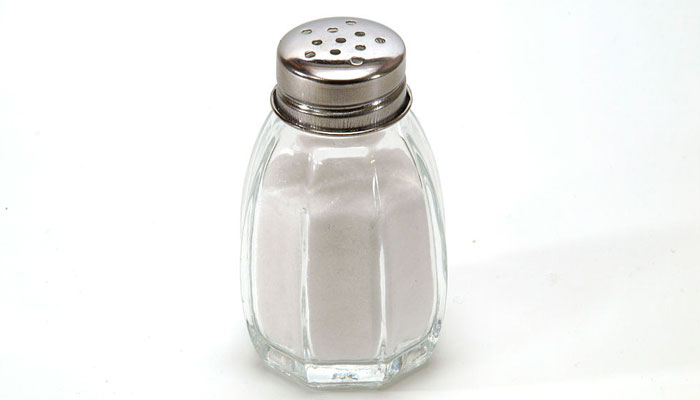
The truth about salt and our body
In Mexico there is a habit of putting salt on all food, so it is important to know the truth about salt in our body.
You have already heard everything about salt and health, that consuming it can be harmful, many establishments have even chosen to remove salt shakers from their tables as a health measure for their customers. This has led to a campaign called “-Sal +Salud” that aims to make establishments remove the condiment from the tables with the intention of reducing intake, since salt can cause damage to the body such as high blood pressure. In Mexico it is the habit of adding salt to all food, even when this seasoning is incorporated from its preparation in the kitchen. It is said that the recommended daily intake is 5 grams. But the average consumption in Mexicans is up to 15 grams per person. But is salt actually bad? Salt or sodium chloride is an essential electrolyte for the functioning of the human body. Electrolytes maintain muscle function and regulate fluid retention. Curiously, we obtain these electrolytes with a healthy and balanced diet. There are types of salt such as pink Himalayan salt or Celtic sea salt, which contain minerals and electrolytes such as calcium, potassium, magnesium and iron. Whatever type of salt you choose, it will have sodium chloride and if it turns out to be of natural (organic) origin, it will surely contain electrolytes that are very important for the body. Above all, salt makes some foods taste better. Its function is to highlight some flavors of food and has been used for centuries to preserve meat for long periods, since refrigeration did not exist back then. Like everything in excess, salt consumption can be very harmful to your health. As mentioned As before, it is linked to conditions such as high blood pressure that will surely lead to heart attacks or heart problems. Reducing its consumption can present great advances in cardiovascular health. Reduce your consumption, but not eliminate it. Well, stopping consuming it can attract problems in the same way as consuming it in excess, these problems could be high cholesterol levels, risk of heart problems, even contracting type 2 diabetes. It is best to consume it in moderation. Do not add it if it has been previously supplemented with food. By tasting food you can always detect if it needs salt. And if you are in a restaurant you will always have the option of requesting seasoning from the waiter. The measure being taken in establishments does not seek to eliminate salt from anywhere, but rather to raise awareness of its excessive consumption. Take care of your body and watch what you eat.