6 important facts you should know about sodium
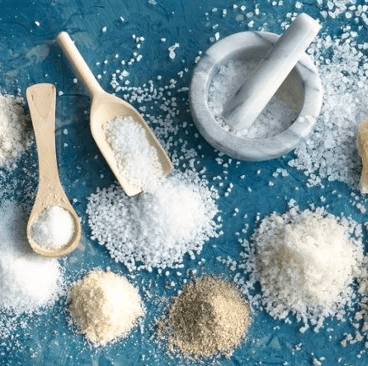
Salt helps draw water out of food, among other things. We tell you 6 important facts about sodium that everyone should know.
To start, most of us refer to sodium and salt as the same thing. However, we are using the word and the term wrong. Sodium is a component of salt. It is composed of 40% sodium and 60% hydrochloride. So one tablespoon of salt gives you 2,300 mg of sodium. About 95% of the salt we eat is absorbed by the intestinal tract. In the 1920s, some people noticed that if they added iodine to salt, iodine deficiency could be prevented. And since then both types of salt, with or without added iodine, are widely sold in the market. Salt helps draw water out of food, removing the moisture necessary for certain bacteria to grow. This technique has been used for more than 2,000 years and is used to preserve food. It was used in the most ancient peoples and continues to be used to this day in some traditional foods. 1. The importance of sodium Sodium and hydrochloride are the main ions that travel through the bloodstream. It’s that simple, without sodium, the body cannot stay alive. When sodium dissolves in fluids, it contains a slight electrical charge that turns it into an electrolyte. The difference between the concentrations of ions across cell membranes, creating a membrane potential, which is necessary for good transmission of nerve impulses, translated into muscle contractions and cardiac functions. The body also requires sodium to properly perform the following functions in the body: Regulation of fluids Blood pressure Expansion of blood volume Transport of nutrients A person who is in good health can survive perfectly on a dose of 500 mg per day. Just a good, plant-based diet alone can provide up to 300 mg of sodium. A meal that includes 1/3 animal products (unprocessed) and 2/3 vegetables (unprocessed) can provide up to 600 mg of sodium, without adding salt to the dish. There are fast foods that contain more than 5690 mg of sodium, which means consuming more than 379% of what your body needs. Most of the sodium people consume today doesn’t even come from natural sources. They are consuming the salt that comes in processed foods. So it’s even more damaging. 2. What is my body’s reaction to sodium? When you consume excess sodium, the first thing that will happen is that your blood pressure will rise in an effort to get rid of excess sodium and fluid. The kidneys are responsible for filtering and getting rid of the sodium that we do not need, through urine. When the kidneys are functioning optimally, sodium and fluid accumulate. Which translates to inflammation or body swelling. If we constantly keep sodium levels in our bodies high, the body is naturally overexerting itself. More specifically, the heart and blood vessels, the cardiovascular system. Having extra pressure all the time causes the vessels to weaken and become diseased, causing kidney disease (which can even lead to the loss of a kidney or the need for a transplant) and arteriosclerosis. It is very easy to reduce the symptoms of hypertension and preventing it is possible. For people who unfortunately already suffer from the condition, the most recommended thing, in addition to going to the doctor and taking their medication correctly, is to reduce their salt consumption levels, take Create a nutritional plan that suits your lifestyle and health condition. If you want to prevent suffering from hypertension or if you have already been diagnosed with prehypertension, it is really very easy: Increasing the consumption of vegetables, seeds and fruits can help level blood pressure and sugar levels, in addition to many benefits for your entire body. The most advisable thing is to consume plant foods of natural origin, organic and raw, with high potassium content, this will make your detoxification process due to excess salt faster, through urine, in addition to being able to maintain strong bones and prevent the appearance of kidney stones. In fact, excessive sodium consumption causes a loss of calcium in the urine. However, excessive salt consumption in the daily diet is not the only thing that has been linked to this disease. In fact, it has been strongly linked to: The constant intake of processed foods. Lack of exercise. lack of fruits and vegetables in the diet. High intake of refined carbohydrates. High alcohol intake. Being a smoker (active or passive, of course it affects more if you are active). 3. Sodium and obesity: Sodium could be a great cause of obesity, since directly or indirectly, the consumption of processed foods, artificial sweeteners and carbonated drinks contain many toxic and excessive components for the body, which only bring problems, in addition to excess sodium. Imagine, just a small increase in salt intake and this can happen in just a few minutes. An excessive daily sodium consumption of approximately 3266 mg should be accompanied by 1 more liter of water, the liquids required daily, just to maintain Stable and balanced sodium levels in the body. 4. Sweat and lack of sodium. Sweat is a form of detoxification of the body, although it can be uncomfortable, when you forget to put on deodorant, if your body is working well, you will lose at least 58 mg of sodium in your daily sweating. Another 180 mg will be lost in the urine. If you consider or know that you are a person who sweats more than the average person, you will want to stay hydrated and increase your electrolyte consumption a little, in order to keep your sodium and water levels in the body stable. Keeping sodium levels low can lead to the following symptomatic consequences: Vomiting. Confusion. Disorientation. People who lead an active lifestyle and exercise can lose up to 800 mg of sodium per day. That is why there are some special sports drinks with high sodium, carbohydrates (for better performance) and other vitamins and minerals. However, it is not necessary for people who lead a life without physical activity to consume these drinks. Since they will have excess calories that they may not have time to burn. Which will only accumulate as excessive fat in your body. 5. My recommendations: Do not abuse processed foods, this is very risky, it only has one way and it is harmful and unpleasant. Avoid including the following foods in your daily diet, which will not only cause high levels of sodium in the blood, but will also increase your fat and calorie consumption: Instant microwave meals. Canned foods. Commercial snacks. Restaurant meals. Cold meats. Processed meats. Cottage cheese. Frozen meats. Frozen food. If, due to some situation or another, you have is that including this type of food in your daily meals, try to increase your consumption of vegetables, fruits and seeds. Also try to get a lot of exercise, I mean at least a couple of hours a day and you can even include sports drinks before and after physical activity. 6. A tip from Mother Nature: The desire for sodium increases in herbivores during spring and summer, since the plants they consume in the warmer months have a higher water and potassium content, which leads to sodium consumption. Only herbivores have this need, since carnivores do not need it. This appears to be a very important survival mechanism. Since while herbivores increase their sodium consumption, the diet of carnivores contains a high content of meat and body fluids. Which means, sodium consumption. So if you want to increase your sodium and fluid intake, through the consumption of fruits and vegetables, sunny times will be your best allies. Interesting facts to collect: In ancient China, the first salt empire was built. People who suffer from cystic fibrosis sweat the sodium content is higher. Salt is the secret ingredient behind the fluoride in bread, strengthening the gluten in the dough, which causes it to expand (sponge). In general, salt-free breads are heavier and more compact. Sea salt is produced by evaporation from the ocean. The Roman soldiers received, as part of their pay, a portion of salt, which they called “salarium argentum”, which is where the word “salary” comes from. Some people inherit a particular “salt sensitivity.” Salt can be used to preserve certain foods. consume High amounts of salt are related to the appearance of ulcers and stomach cancer. You can use sea plants as a natural salt substitute, which are also high in minerals. Try to move more and exercise, change your diet and follow a healthy and balanced eating plan.