What the industry does to honey
Honey is one of the best substitutes for sugar. We all know it. We always think of it as a “superfood” and we are not wrong.
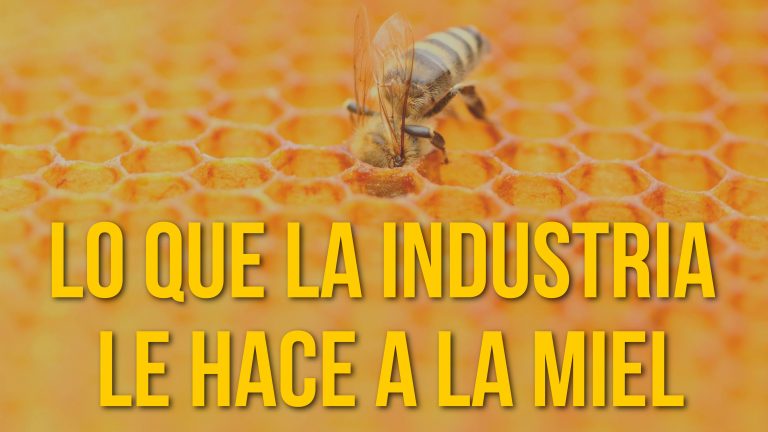
Honey is one of the best substitutes for sugar. We all know it. We always think of it as a “superfood” and we are not wrong. However, like everything, it is a product. And many companies that produce it treat it as such. Extensive market research by Food Safety News found that 76% of all honey purchased in stores had been treated with a process called ** “ultrafiltration”**. Which removes not only impurities such as wax, but also all traces of pollen. There are problems with ultrafiltration in general. Many believe that pollen and other “impurities” are actually good for your health and make honey a better choice than other sweeteners. But according to the FSN, the main reason to avoid ultrafiltered honey is that pollen is the only sure way to trace its source to a geographic location. As a result, ultrafiltered honey is often used to mask the suspicious origins of certain types of honey. Food Safety News sent honey samples to melissopalynologist and Texas A&M University professor Vaughn Bryant. What he discovered was that about three-quarters of the honey contained no pollen. So it could not be identified and was determined to be unsafe. He also found that:
- 100% of the honey jars in bear figures that were sold at Walmart had all the pollen removed.
- All pollen was removed from 100% of honey from KFC and McDonald’s single-serve packages.
- 77% of honey from department stores like Costco, Sam’s Club and Target had no traces of pollen.
- 100% of the honey from pharmacies had all the pollen filtered. He discovered, however, that honey purchased at cooperatives, farmers markets and organic stores contained the full amount of original pollen.