
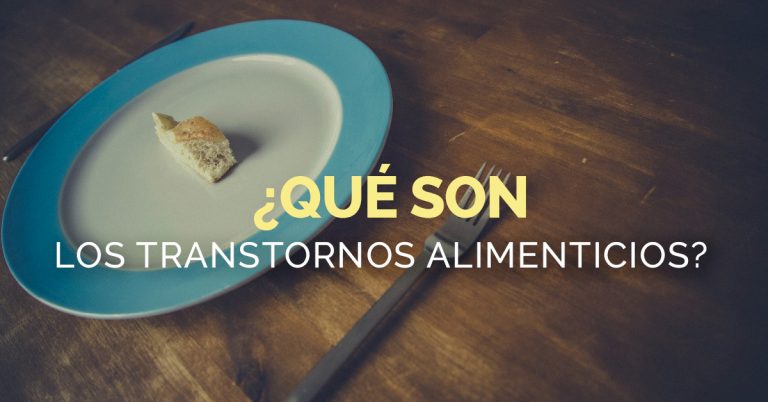
What are eating disorders?
Eating disorders are one of the reasons why people can't stop eating or don't want to eat. Maybe you suffer from one of these
Eating disorders are real and complex medical and psychiatric illnesses that can have serious consequences for health, productivity, and relationships.** Eating disorders are illnesses in which people experience serious disturbances in their eating behaviors and related thoughts and emotions. People with eating disorders often worry about food and their body weight.** In many cases, eating disorders occur along with other psychiatric disorders such as anxiety, panic, obsessive-compulsive disorder, and alcohol and drug abuse problems.** These disorders can be life-threatening if not properly recognized and treated. The sooner a person receives treatment, the greater the chance of a full recovery. * With proper medical care, people with eating disorders can resume proper eating habits and regain better emotional and psychological health.**
Types of eating disorders
The most common eating disorders are:Anorexia nervosa** – Anorexia is a life-threatening disorder that can occur when people who appear to be underweight see themselves as overweight. A person with anorexia will begin to obsess over the details of their food intake and carefully monitor their weight. Bulimia –** Individuals with bulimia nervosa eat excessive amounts, then purge their bodies of the foods and calories they fear using laxatives, enemas, or diuretics; vomiting or exercising. Often acting secretly, they feel disgusted and ashamed while getting drunk, but relieved of tension and negative emotions once their stomachs are empty again.** * Binge Eating Disorder (BED) – When you regularly lose control of your eating, eating large portions of food in one sitting until you feel uncomfortably full, and then often feeling upset or guilty. Other Specific Eating Disorders (OSFED) – When your symptoms don’t exactly match those of anorexia, bulimia, or binge eating disorder, but this doesn’t mean it’s any less of an illness. serious. OSFED is the most common, then binge eating disorder and bulimia. Anorexia is the least common.**
What are the causes of eating disorders?
As with most mental illnesses, eating disorders are not caused by a single factor, but by a combination of sociocultural, psychological and biological factors.**
- Low self-esteem.
- Pressures to be thin (i.e. pressure to lose weight from family and friends).
- Cultural norms of attractiveness promoted by magazines and popular culture.
- Use of food as a way to deal with negative emotions.
- Rigid, “black or white” thinking (for example, “being fat is bad” and “being thin is good”).
- Parents with excess control who do not allow the expression of emotions.
- History of sexual abuse. **Biological factors:
- Genetic predisposition to eating disorders, depression and anxiety.
- Certain personality styles, for example, the obsessive-compulsive personality type.
- Deficiency or excess of certain brain chemicals called neurotransmitters.
Who suffers from eating disorders?
All eating disorders can occur in both men and women of any age.** According to the National Institute of Mental Health, eating disorders mainly affect girls and women. But eating disorders are not just a problem for the teenage women who are so often portrayed in the media. Men and boys can also be vulnerable.**
Warning signs and symptoms
Early intervention is the best way to help a successful recovery. It is important to be aware of warning signs that may indicate that someone is developing or experiencing an eating disorder. Many people who suffer from an eating disorder don’t realize they have a problem, or if they do, they may go to extraordinary lengths to hide the signs of their behavior.** * If you want more information on nutrition and health issues, or need advice to find the healthiest eating plan to help you lose weight, **click here.**