Treatment for fluid retention
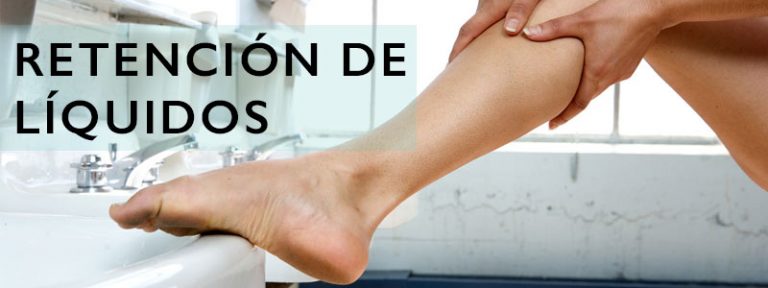
The natural treatment of fluid retention involves the use of a series of resources, discover what they are in this article.
The natural treatment of fluid retention involves the use of a series of resources. Today we will share some with you. Phytotherapy The use of plants with anti-edemic properties, that is, they stimulate the kidneys to increase the liquid excreted through urine. Among them we have: Dandelion One of the plants with the most power to eliminate excess water from the body. Cooking a handful of dried leaves and roots in 1 and ½ liters of water. Take before each meal. Chicory The diuretic properties of chicoresic acid stimulate kidney function and make this plant suitable for fluid retention diseases, such as arthritis or gout. Cooking 30g of crushed dry roots for each liter of water. Take 2 cups/day Horsetail or horsetail “Equisetum arvense” It can be taken in the form of infusions or use commercial preparations from pharmacies or herbalists. Artichoke The artichoke contains a high potassium content that makes it a diuretic remedy. It promotes the elimination of fluid and toxins from our body. It can be included in the diet or made into infusions. Cook 60g of dried roots for every liter of water, reduce the liquid by half, and drink 2 glasses/day Diet Diet is a very important factor to eliminate excess fluids from the body. In general, a healthy diet, rich in natural plant foods, containing many fruits and vegetables, helps the body overcome fluid retention. These foods contain a large amount of water, and many of them have diuretic properties that stimulate the kidneys with the subsequent production of more urine. You have to take into account what foods you have to eat to remedy edema and what foods we should avoid because they help retain more fluids. Foods rich in potassium Potassium is a mineral that, along with sodium and chloride, maintains the body’s water balance. Excess sodium in the diet breaks the water balance and promotes fluid retention. It has been proven that eating foods rich in potassium helps counteract sodium levels and restore balance. The ideal ratio would be 5:1, that is, 5 times more potassium than sodium. On the plate, this means eating fewer foods rich in salt and more foods rich in potassium. Fruits and vegetables are rich in potassium. The daily intake of at least 400g of these foods is recommended, which would be equivalent to about 5 daily servings. Low-sodium foods Among low-sodium foods we have many fruits and vegetables, although some such as apples, pears or cherries are especially recommended. We can also use cereals such as rice or oats and tubers such as potatoes. Soybeans or other legumes are a vegetable source of protein with very little salt. Also milk and its derivatives. The foods you should avoid are foods with a lot of salt, rich in sodium. Among these foods that we should avoid to reduce fluid retention are: Sausages (mortadella, salami, chorizo…) Salted ham (cured ham), bacon… Salted vegetables Salted nuts Cheeses with salt Precooked Canned And of course control the amount of table salt. Season with herbs and spices.