
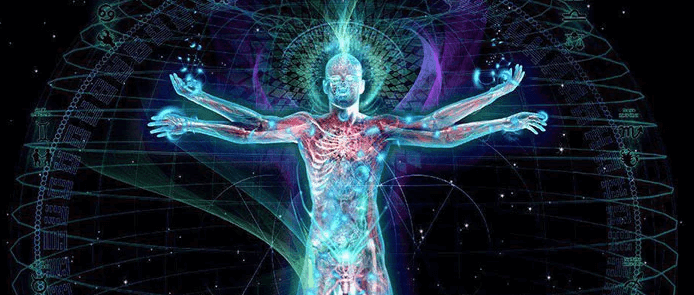
The influence of the mind on the body
The influence of the mind on the body is very important and is often ignored. In the same way that diseases...
The influence of the mind on the body is very clear. In the same way that physical illnesses influence our mood and cause fear, fear or worry, many psychological problems cause physical symptoms. Psychosomatic illnesses are very common; Almost 12% of the world’s population suffers from these discomforts. It is considered that a quarter of people who see a primary care doctor have this type of illness. What are psychosomatic diseases? In general terms, it is understood that a person suffers from somatization when they present one or more physical symptoms and after a medical examination. These symptoms cannot be explained by a medical illness. Furthermore, although the person may suffer from a disease, such symptoms and their consequences are excessive compared to what would be expected. All of this causes the person who suffers these discomforts great discomfort in different areas of their life. Due to the lack of time in consultations and the difficult diagnosis of somatic diseases, traditional medicine tends to focus almost exclusively on the physical symptoms of the disease. Forgetting the true cause of the problem or what may be maintaining it. It is common to find people who complain that they have visited several doctors without finding anything for them; However, they continue to feel bad and present some of the symptoms mentioned above. On many of these occasions we are faced with psychosomatic problems. Treatment Doctors often treat these patients with drugs, giving them anti-anxiety medications. But after a while they come back with the same unsolved problem or with other different symptoms. Thus, in the end the doctor refers this type of patient to the psychologist claiming that it is all a matter of “nerves.” However, from the patient’s point of view, not finding a physical cause makes him think that he may have a psychological illness. Consequently he fears for his mental health. In this way, people who suffer from these ailments do not very well understand what is happening to them. They are reluctant to go to a psychologist because they do not understand how this professional can help them. Perhaps, for this reason, more and more people are looking for a first answer in alternative medicines that in the long run do not solve their problem. Currently, health psychology and behavioral medicine are responsible for studying this mind-body relationship. We want to treat the individual from a broader perspective. Taking into account the importance of both biological, psychological and social factors in the beginning or maintenance of some diseases. Why does the doctor tell me that I should go to the psychologist? If my problem is not physical, what is it due to? These and other questions are common in people who suffer from somatization and who are referred to a psychologist. Below we try to give them an answer. Often people who suffer from psychosomatic problems have not been able to find an organic cause for their symptoms or after performing different medical treatments they do not improve. There are even times when drugs help for a while, but then a new symptom appears. People who find themselves in this situation often do not believe they have a psychological problem, and continue going from doctor to doctor to find a physical answer. However, when one investigates a little in their daily routine, these people tend to realize that there is something in their lives that creates discomfort or anxiety. It’s not about having childhood trauma or anything like that. There are simply times when something overwhelms us and we don’t know how to deal with it. Or we lead a pace of life that is too fast for our body not to suffer. Furthermore, when faced with physical pain or discomfort, the first thing we tend to think is that we suffer from some physical illness, however, the vast majority of the time this is not the case. Health is not the silence of the body, and not all symptoms or discomfort are the result of a physical illness. Causes of our discomfort · Of the discomfort we feel daily, 70% are due to natural causes. Among these, we find those that can be caused by the body’s own functioning when we digest, when we breathe, or when we sweat. Even unhealthy lifestyle habits such as poor diet, poor sleeping habits or little physical exercise can also cause us physical discomfort. Finally, the environment also influences our body; Here we find factors such as pollution, humidity, heat, cold, fungi, etc. · Only 5% of our pain is due to physical illnesses. Furthermore, only 10% of these are serious. So, out of every 1000 discomforts, only 4 are due to serious illnesses. · Finally, 25% of the physical discomfort that we may feel is due to psychological causes. This is where psychosomatic diseases are found. Let’s look at them in more detail. In general, there is a tendency to think that psychological illnesses only cause sadness, crying, feelings of inferiority and other symptoms that have nothing to do with r with the body, however, this idea is erroneous. Our emotions influence our body, just as it influences our emotions. Anxiety, stress and depression act on different hormones, causing changes in our body, which make us more sensitive to pain and influence different diseases. An example would be studies that link stress with cancer. In this sense, it has been shown that it can influence both the origin and the course of the disease. It has also been shown that people who suffer from depression have a weakened immune or defense system. So they may get sick more easily or it may be more difficult for them to recover from certain diseases. Symptoms Let’s see what symptoms anxiety or depression can cause in some systems of our body: · In the nervous system they can cause headaches, dizziness, vertigo, fainting, tingling, muscle paralysis, etc. · In our senses they can cause blindness, double vision, aphonia, etc. · In the circulatory system they produce palpitations and tachycardia. · In the respiratory system they can cause a sensation of suffocation, pain or tightness in the chest, etc. · In the digestive system they can cause dry mouth, a feeling of choking, nausea, vomiting, constipation, diarrhea, etc. · In the musculoskeletal system it is common to cause muscle tension, muscle pain, fatigue, etc. Most frequent somatic symptoms in medical consultations: Back pain, 71% Dizziness, vertigo, 65% Pain in extremities, 60% Gas in the stomach, 52% Difficulty breathing, 50% Palpitations, tachycardia, 49% Joint pain, 45% Chest pain, 44% Nausea, 43% Many medical diseases These symptoms are closely related to stress. Among them we find: hypertension, various coronary diseases, asthma, flu, cancer, hyper and hypothyroidism, stomach ulcers, irritable bowel syndrome, headaches, chronic pain, muscle contractures, impotence, etc. After observing that depression, anxiety and stress, among others, are factors that influence the origin, maintenance and evolution of different physical pathologies, it is easier to understand the influence of our mind on our body and the role of the psychologist in our physical discomforts. It is possible to improve the quality of life of people suffering from psychosomatic diseases. You have to understand where the physical discomfort they suffer comes from and changing what causes them. Everything comes from stress, high self-demands, life, etc.