
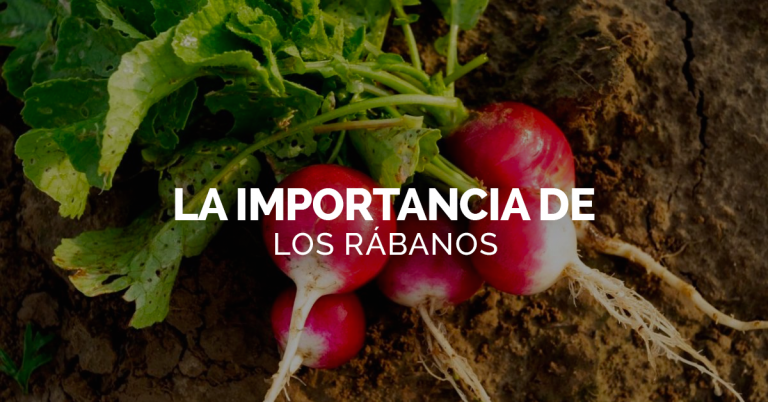
The importance of radishes
Radishes are not the most popular vegetable, but they are one of the healthiest. But they can bring great benefits to your patients.
You know that radishes are not the most popular vegetable, but they are one of the healthiest. 🤩 For example, radish actually helps cleanse your patients’ liver and stomach. 😬 But let’s take a look at some of the other benefits of this tuber:
Protects red blood cells
You know that radish controls the damage to your patients’ red blood cells and in the process also increases their oxygen supply to the blood. 🤓
High in fiber
Due to its high fiber content, radish can improve digestion, regulates bile production, protects the liver and gallbladder, and is ideal for taking care of water retention. 😉
Protect the heart
Radishes are a good source of anthocyanins that keep the heart functioning properly, reducing the risk of cardiovascular diseases. 💓
Controls blood pressure
Radish also provides potassium to your patients, which can help you reduce your px’s blood pressure and keep blood flow under control, especially if you know your patients have hypertension. 🧐
Improves immunity
Since radish is high in vitamin C, it can protect your patients from common cold and cough and improve your basic immunity system.
Strengthens blood vessels
Radish plays an important role in the generation of collagen, which in turn increases blood vessels and decreases the chances of contracting atherosclerosis. 👌
Metabolism friendly
This root vegetable is not only good for the digestive system, but also helps correct heartburn, obesity, gastric problems, and nausea, among others.
Rich in nutrients
Red radishes are full of vitamins E, A, C, B6 and K. In addition, it is rich in antioxidants, fiber, zinc, potassium, phosphorus, magnesium, copper, calcium, iron and manganese. And each of these is known to keep the body in good working condition.
Good for skin
If your patients drink radish juice every day, they will give their skin special boosts to stay healthy. It also helps prevent dryness, acne, pimples and rashes. 💁♀️
Good for hydration
Having your patients eat radish can help keep their body hydrated due to its high water content. 🚰 Radishes are good for your patients. They are generally safe to eat, but don’t consume too much if you have thyroid problems. I give you 4 Key Practices to grow your practice but these classes will only be FREE today. CLICK here