The benefits of onion
To those people who try to avoid onions at all costs, let me tell you that you are making a serious mistake. We share the benefits of onion with you.
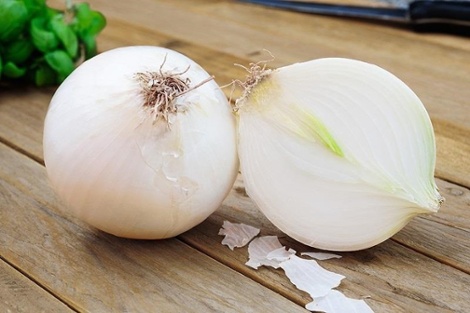
Do you know the benefits of onion? There are many people who are not very fond of him. That leaves a bad and very penetrating aroma, that makes us cry and that not everyone likes its flavor. Well, to those people who try to avoid onions at all costs, let me tell you that you are making a serious mistake. First, because the onion is an ancient vegetable, used by several civilizations around the world. And second, due to its long history and interesting flavor, it can be prepared in many types and is very good for seasoning almost any savory dish. Nutrients of onion Here is the list of all the nutrients that onion can provide you: Folate Magnesium Vitamin B1 Quercetin Vitamin B6 Vitamin C Chromium Biotin Potassium Copper These are not the only nutrients that onion contains, it also contains disulfides, trisulfides, cepaene and vinyldithiniins, which help the body stay healthy as they have antibacterial and anticancer properties. Let’s talk about quercetin. It is a component with anti-inflammatory and antioxidant properties, which you can find in abundance in onions. Studies have shown that quercetin can prevent the allergic effects released by histamine. Therefore, onion is a source of natural antihistamines. The past of the onion It has a long journey throughout the world. It is said that they were first cultivated in Asia thousands of years ago. It is also said that it was a common food for the Egyptians, Greeks, Romans and Indians, in addition to being used for various purposes. Did you know that some pharaohs were buried in their tombs with onions? This was so that they would have something to eat if they got hungry in the afterlife. The onion is so famous throughout the world because it is a food that perishes slowly, or at least much slower than other vegetables. Not only has its slow cultivation made it so valuable, but it can be grown in almost any climatic situation and different types of soil. Benefits of onion Cancer-fighting properties The active compounds found in onion, especially red onion, help inhibit the development and spread of cancer cells throughout the body. Previously, I mentioned Quercetin, an antioxidant compound, which has been constantly linked to the prevention and reduction of the spread of cancer. The antioxidants provided by Quercetin, combined with vitamin C, help the body fight damage caused by free radicals which cause healthy cells to become cancerous. A recent study in the Netherlands showed that people who regularly eat onions absorb twice as much Quercetin as people who drink tea – and absorb three times as much as people who regularly consume apples. A research study also demonstrated the relationship between the consumption of vegetables of the “allium” genus (that of onions) and prostate cancer: It was simply shown that men who consumed more onions were less likely to contract cancer. And since we are all susceptible to the damaging oxidative effects of stress and free radicals, we should all take advantage of the antioxidant benefits of onions. Happy heart Onions help the body lower blood pressure and greatly reduce the risk of suffering a heart attack. In 1987, an animal study in The “Journal Hypertension” found that consumption of the sulfur contained in onions reduces hypertension problems. Onion also has anti-clotting properties, so if you want to prevent the formation of clots in the blood and want to take advantage of it to prevent cardiovascular problems, onion is your option. According to the University of Maryland Medical Center, the Quercetin provided by onions has properties that help prevent fatty plaque from forming in the arteries, which causes so many heart attacks. Become more optimistic and sleep better Onions and foods related to them, such as garlic, lees, and shallots, have been linked to positive moods. Onions are high in folate, which helps treat depression. Folate prevents the creation of excess homocytosine in the body, which often prevents nutrients and blood from reaching the brain correctly. Too much homocytosine interferes with the production of hormones such as serotonin, dopamine and noreprine, which are responsible for regulating functions such as sleep and appetite. So if you eat more onion, you will not only be in a better mood, but you will eat and sleep better. Immune System According to an expert dietician in Washington D.C, Anne Mauney, “The polyphens in onions act as antioxidants, thus protecting the body from free radicals.” The polyphenol content in onions is much higher than in any other vegetable, unless we are talking about vegetables with similar components such as garlic and lees, however, the polyphenol content is much higher than in carrots, tomatoes or peppers. Onions are also high in flavinoids, which es, they are famous for their anti-inflammatory and antioxidant benefits. Anti-inflammatory properties Sulfides found in onions have been found to have anti-inflammatory agents, according to a study published in 1990 in “The International Archives of Allergy an Applied Immunology journal.” Onionin is a very particular sulfur molecule, found in onion, which inhibits the activity of macrophages, a protective layer that cancer cells develop to stay safe. Another study has suggested that Quercetin could help with muscle relaxation and help people relieve asthma symptoms. Improve your stomach health and digestion Onion is also high in a soluble fiber called oligofructose, which promotes the production of good bacteria in the intestine. A study carried out in 2005, specialized in Gastroenterology and Hepatology, shows that the oligofructose found in onions can help prevent diarrhea or control chronic diarrhea problems. Foods from the onion family are inversely related to stomach cancer and esopharyngeal diseases. Since the consumption of these vegetables has protective effects that can help reduce or avoid tumors. In fact, in a study carried out on mammals, this fact was demonstrated, with the administration of components of the allium family. Onion prevents one more symptom of menopause According to a study carried out in 2009 by “The Journal Menopause”, it was discovered that women who consumed onion in their daily diet improved the density of their bones while they were going through the menopause process or even at the end of the process. Women who eat frequently onion tea, have reduced the risk of suffering from hip fracture by at least 20%. Improve and prevent diabetes by eating onion A relatively unusual mineral, found in onion, I am talking about Chromium, which helps the body manage its blood levels. Chromium ensures the gradual release of glucose to the muscles and cells of the body, which means that by eating onions, you can help modulate your sugar levels. A prebiotic nutrient found in onion, called insulin, which has many benefits, including combating type 2 diabetes in women who consume it, who have improved their glycemic control and increased their antioxidant levels. Diabetics often have problems regulating their glucose levels, so including onions in their daily diet can help improve their quality of life. Antibacterial properties By having components such as Quercetin, flavinoids and specific sulfides, it has been shown in various studies that onion and its nutrients have antibacterial properties, which can protect against harmful bacteria such as streptococcus and certain mutations of this bacteria. How to eat onion? The ideal, as with any other vegetable, is to eat fresh onion, but you can also use it as a natural seasoning in your daily preparations, caramelized, sautéed or in any way you can think of and the truth is that it has a good flavor, when you see it from the angle of health and you dare to include it in your eating routine. Risks of eating onion There are some drawbacks with the consumption of onion, regarding various sensitivities. It is my duty to warn of its side effects or problems, since if you are susceptible ible to its harmful effects, it is better that you avoid its consumption. To begin with, onions can cause bloating and gas. If you suffer from gastric reflux, eating onions can worsen your problem and is not recommended at all. If you are taking anti-coagulants, eating too much onion can cause the effects of your medication to be cancelled, so its consumption is not recommended. In some cases, very rare I should mention, some people are also allergic and the symptoms are: Itching and red eyes. Nausea Vomiting Other types of gastric problems. But it must be remembered that these are not such general cases. What I always recommend above all is to learn to know yourself and never stop doing it, since it is the best way to take care of ourselves in any aspect of life.