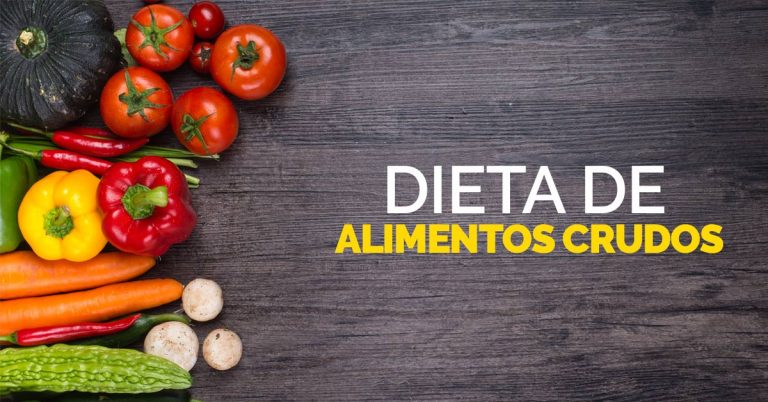
raw food diet
In the raw food diet, products are not cooked or, at least, not above 40˚C so as not to destroy their nutrients. Know the good and the bad...
What is a raw food diet?** The raw food diet focuses on the premise that cooking destroys the nutrients and enzymes found in each food, which are necessary for digestion and disease prevention. Foods on this diet should be consumed raw or cooked at a temperature below 40 degrees Celsius. *Some raw food diet followers eat a plant-based diet such as fruits, vegetables, nuts, seeds, grains, and legumes, while others add some animal-based products such as unpasteurized milk and cheese, raw fish, and some raw meat. Anything cooked, processed, pasteurized, irradiated, or in other words not in its “natural state” is off limits and not part of this diet.
*The good
The raw food diet includes no added sugars, colors, additives or chemicals, and is low in sodium and high in potassium.
The bad
Eating only raw foods makes it very difficult to get enough daily nutrients. It can lead to low energy levels, weight loss (including some lean body mass), and you are very likely to suffer from fatigue and nutrient deficiencies. Plus, eating out can be difficult because most restaurants don’t honor raw food options. Many nutritionists do not recommend this diet for long periods of time due to the lack of nutrients for the body. For example, someone who follows the diet and acquires the habit of eating raw products could suffer from a deficiency of vitamin B12, which is essential for the production of red blood cells, brain function and DNA synthesis. *The lack of this vitamin makes people feel tired, depressed, dizzy and may suffer memory loss. Following this diet can also affect metabolism, bones and can cause hormonal imbalances. Would you try eating a raw food diet? If you want more information about nutritional plans to help you lose weight or stay healthy, click here.