Join the fight against obesity in Mexico
In 2025 there will be 70 million children under five years of age in the world who will be obese if nothing is done about it. We must combat obesity in Mexico
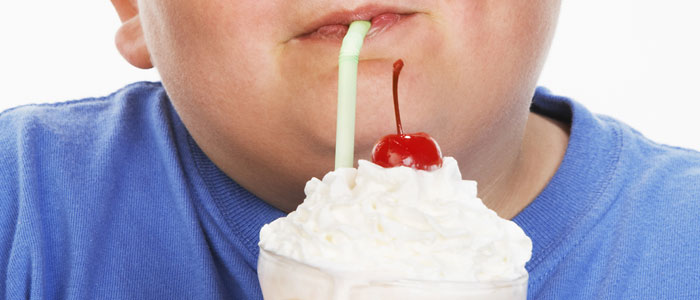
Parents should be careful. Their children may become overweight or obese. Then suffer health, psychological and social problems. We have to do something to combat obesity in Mexico. According to the World Health Organization, WHO, in 2025 it assures that there will be 70 million children in the world under the age of five considered obese if nothing is done to stop the trend. “If we can tackle childhood obesity, in the future we will not only have fewer obese or overweight adults but also many fewer problems with heart disease, diabetes and others.” Says the co-chair of the WHO commission, Sania Nishtar. Developing countries are the ones that suffer the most from the problem due to a tendency to abandon traditional and balanced diets in favor of the ingestion of high-energy foods. According to the National Demographic and Health Survey, Endesa, in 2010, 5% of children under five years of age were obese. But now it is 7%. Overweight or obese children face a serious threat that grows as they gain weight and become more sedentary. The fundamental cause of obesity is an energy imbalance between calories consumed and expended. If eating habits are not changed and physical activity is resumed, obesity can be fatal even for children. “Chubby is not the same as being healthy. There is evidence that an obese child is not synonymous with healthy, since being overweight at an early age is nothing more than the beginning of a series of important complications for their health, which will increase until reaching adulthood.” Explains Enrique Medina, Nicaraguan pediatric endocrinologist. If the child’s weight is not controlled, as he grows er will be a young adult with diseases such as diabetes and high blood pressure. The ideal way to achieve this balance is with a diet that involves all food groups and includes physical activity. Process Honduran nutritionist Danori Carbajal comments that good eating habits start from six months after birth. Time in which food begins to be given to the baby. The WHO recommends that breastfeeding should be exclusive up to six months. “If you give him a bottle, you should not include sugars or cereals. Since you will be providing more calories,” he explains. The mother should not confuse crying with hunger, “when the baby cries it is not because he wants food, she should check him to find out why he is crying,” she says. A balanced diet requires a variety of foods, a colorful plate full of flavors and colors, says the specialist. It should include all basic food groups at all major meal times. In addition to preparing healthy snacks for home and school. Activity Doctor Wilmer Gutiérrez, from the San Ignacio de Loyola Nutrition and Metabolic Control Center, indicates that in addition to following a healthy diet, you should exercise daily so that you can burn the calories you acquire in meals. Also avoid a sedentary lifestyle among children and young people. Because that can help them gain weight. Children over 12 should spend at least 30 minutes a day participating in physical activities such as walking, playing sports, running, jumping, cycling, among others. The six keys 1. Fruits and vegetables: They are the best source of vitamins, minerals and fiber. They strengthen the immune system of children. Fruits and vegetables of all available colors should be consumed during the week. ibles. Each color offers a different variety of vitamins and minerals. 2. Cereals and tubers: These foods constitute the main source of energy necessary to carry out all daily activities. Preparations with high fat content should be avoided. 3. Meats: Different varieties are included such as beef, chicken, pork and fish. Its function is to provide protein, iron, vitamin B12 and zinc. These nutrients promote muscle maintenance, prevent anemia, and stimulate growth and sexual maturation. 4. The egg: It is a very complete food, it has proteins, vitamins, minerals and fat. The whole egg must be consumed. The white contains the highest proportion of protein and the yolk contains vitamins and fat. It has vitamin A that helps prevent visual problems and promotes the proper functioning of the body. 5. Legumes: This group includes beans, lentils, chickpeas and soybeans. They are foods that are sources of protein, carbohydrates, minerals and fiber. It can be included in the child’s daily diet so that he can obtain the minerals and fiber he needs for good growth. 6. Milk and derivatives: Its main function in the body is to promote the growth and development of bones and teeth due to its protein and calcium content. Helps with muscle formation and tissue regeneration in the child.