
How to take your measurements properly
Let's consider the scary routine of taking fundamental measurements to know the health and physical condition of your body.
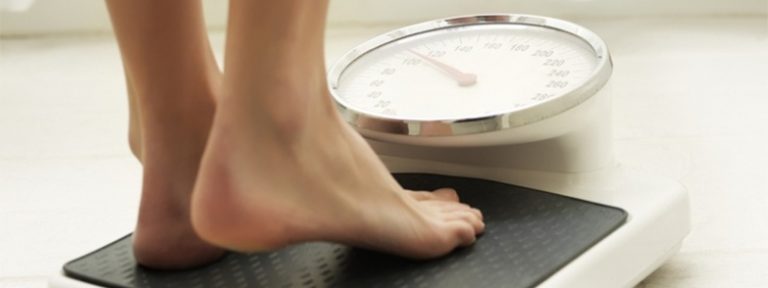
Let’s consider the scary routine of taking fundamental measurements to know the health and physical condition of your body. The WHO recommends controlling weight and maintaining regular observation of it in relation to our gender, height, age, and physical condition. BMI (Body Mass Index) also acts as a very important indicator to define health status and weight. Measuring the circumference or perimeter of the waist is another of the indicators for which we must keep a medical record. With this data, the doctor or specialist will be able to diagnose and define a size reduction method that is more appropriate for your particular condition.
Women
The ideal weight of women is calculated taking into account that fat storage is greater in the tissues unlike that of men. Women have a higher fat percentage than men. That is why your energy expenditure in calories is lower, as is your caloric need. Giving a figure of around 2000 cal per day. To measure yourself, our consultants recommend:
- It is better to measure yourself without clothes.
- Place the measuring tape parallel to the floor in the narrowest part of your abdomen. Making sure the tape is straight.
- Breathe out and relax your abdomen so you can take the measurement correctly.
- Write down your measurement and compare it with the figures for men (< 90 cm) and women (< 80 cm).
Men
Men have a higher percentage of muscle and bone mass than women. This means that they have a greater energy need of around 2500 cal per day. Necessary to carry out your daily activities. Food is essential to achieve an ideal weight. Waist measurement should be done routinely and lead a lifestyle with physical activity and an adequate level of hydration. The indicated values relative to BMI are reference values and go according to clinical criteria regarding the subject. These scales are very general and must be compared in each particular case. One of the indicators that most helps to determine if you have the ideal weight is the BMI. To calculate it, it is necessary to include some data**:** BMI is calculated by dividing your weight in kilos by the square of your height in meters. So that you understand better, we will give you an example. You weigh 55 kilos and are about 1.65 m tall. Multiply your height (1.65) by itself to get the square, that is, 1.65 x 1.65 = 2.75.