Discover plant-based proteins
Many of us are unaware that there are also proteins of vegetable origin, we think that they are grains and we do not know what else they give us. Get to know them.
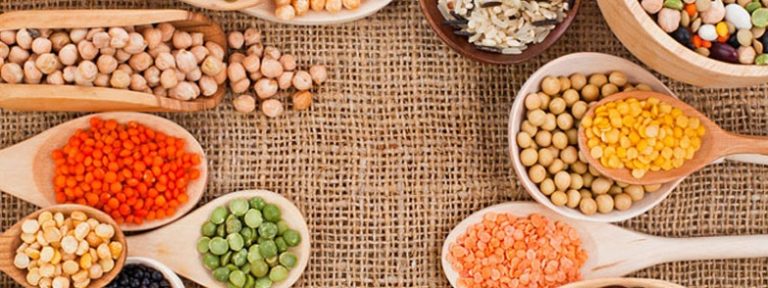
Proteins are essential for the growth of our cells. They are in the keratin of the skin, hair, nails and the collagen of bones, tendons and cartilage. They contribute 20% of the weight of an adult. There are two types of proteins: animal and vegetable. Our usual animal consumption is 62% since it is in many foods that are part of the basic basket or that accompany us every day (eggs, meats, fish and dairy products). For this reason, many of us are unaware that there are also vegetable proteins, we think that they are grains and we do not know what else they give us. Those of the vegetable type are found mainly in soybeans, beans, lentils and chickpeas. Also in nuts, cereals and leafy vegetables. Vegetable proteins contain less fat and purines (which, when consumed in excess, produce uric acid), have no cholesterol, provide fiber, are easy to digest and are eliminated better. Furthermore, they fill us with more vitality than animal protein, which is why our body can easily digest them. The rest of its caloric content fills us with energy. A diet can be balanced by consuming only vegetable proteins if it is mixed with complementary foods to cover our nutritional needs. Since vegetable proteins, unlike animal proteins, are of low biological level. Some combinations could be rice with walnuts, lettuce, tomato, corn and soy salad. These would provide everything our body needs every day. Some other foods that have plant protein are spinach (cooked), kale, peas (cooked), and beans. Also chia and hemp seeds. Almond or soy milk, almond cream s, grains, seeds and nuts. The popular quinoa, which is not only for vegetarians or vegans, but for those who do not eat gluten, quinoa is versatile, delicious and very nutritious. Also seitan (food preparation based on wheat gluten) which provides 26g of protein. Lentils and legumes with which you can cook many foods, from stews to, if we get creative, hamburgers, soups, etc. It can be eaten over quinoa or rice, a cup of lentils provides 18g of protein. Anyway, there are many foods that are or contain proteins of plant origin. When you have to increase your protein consumption but you get bored eating those of animal origin, remember that you can consume those of plant origin to nourish yourself well.