
All about fatty acids (OMEGA-3)
Among the beneficial effects of fatty acids, we must highlight their protective role against cardiovascular diseases.
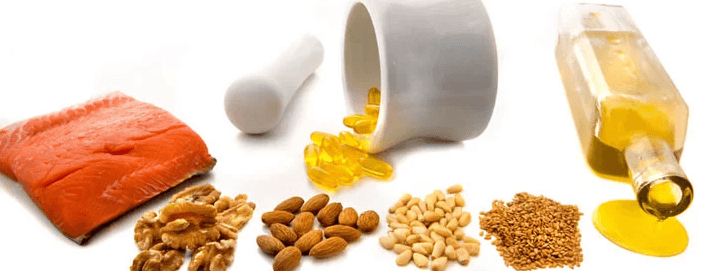
Fatty acids enrich milk, cheeses and all kinds of foods. But anyone who regularly consumes oily fish and/or shellfish that contain omega 3 can avoid consuming these products. However, in one way or another, it is necessary that our diet includes them, as they cannot be synthesized by the human body. Among its beneficial effects, we must highlight its protective role against cardiovascular diseases and its ability to reduce triglyceride levels. Fats or lipids are essential in our body and are, in addition, the elements of our diet that are most important in the prevention of cardiovascular diseases. But not all fats are the same nor do they behave in the same way in our body. Omega 3 fatty acids are found mainly in oily fish. Consuming it two to three times a week ensures protection against cardiovascular diseases. Omega 3 are polyunsaturated fatty acids that belong to the group of healthy fats. They are called unsaturated fats. Monounsaturated fatty acids also belong to this group. Whose main representative is oleic acid or, in other words, virgin olive oil. The Eskimo Diet Omega 3 fatty acids are found in small amounts in some vegetable oils. But its main source is marine animals (blue fish and shellfish) and to a lesser extent, nuts. The main omega 3 fatty acids are linoleic acid, eicosapentaenoic acid (EPA) and docosahexaenoic acid (DHA). They were discovered in 1982 by researcher Ralph Holman, as a result of a study about the diet of the Eskimos, by relating and verifying that the low incidence of heart attacks and cardiovascular diseases among the Eskimos was closely related to their diet, very rich in marine animal fat that contains a large amount of omega 3. Foods rich in omega 3 The foods richest in this type of fat are fish and shellfish. And especially blue fish. For this reason, it is worth including it in your diet at least twice a week. Among the most advisable blue fish we find anchovy, salmon, sardine, herring, tuna, mackerel, pea, pomfret, trout, crab, shrimp, mussels, oysters. Regarding vegetables, it must be said that they contain small amounts of linoleic acid. Only dried fruits and especially walnuts are a significant source of omega 3. Should we take omega 3 supplements? It is not necessary to take supplements when you consume oily fish at least twice a week and fruits, vegetables and olive oil usually throughout the week. If we do not like fish, we must consider taking enriched foods, so that our body can benefit from its effects.