
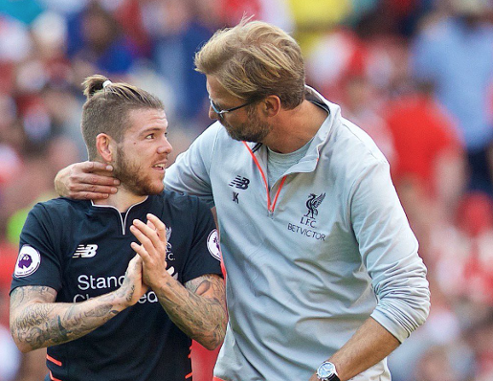
9 qualities of an effective coach
The ideal coach profile does not exist, but there must be a series of qualities of a coach or behaviors that the most outstanding ones share with each other.
In a world with rapid and multidisciplinary progress, many successful people or people with deep knowledge decide to start their coaching life. But to develop it, the coach is required to motivate, encourage and provide learning to people. There are many types of coach. This is because not everyone dedicated themselves to the same branch and their treatment of people can vary between direct and indirect. The ideal coach profile does not exist. But there must be a series of behaviors or behaviors that the most outstanding share with each other. Even those in the health sector. This is why we show you 9 qualities of an effective coach. Taking them into account to stand out among the great offer of coaches that exist today is crucial. Qualities of a coach
- It must be positive: The job of each coach is to achieve goals. Therefore, hearing words like “It’s impossible” or “it’s a disaster” from the moment you arrive is not helpful at all. It is expected that with the coach’s knowledge and a positive attitude, it will be explained that there is a solution and that he will be in charge of helping us achieve it.
- He must be enthusiastic: What image can a consultant give who yawns from the moment he enters? None good. Therefore, you must demonstrate great energy and passion that must also be contagious to those who consult you.
- It must be reliable: The coach must demonstrate that he trusts the person who consults him. You must convince your subordinate that the information you gave them is correct and that they should make the most of it and demonstrate confidence in their abilities and skills.
- It must be direct: The coach knows that there is not much time, so he avoids detours and speaks directly. Their communication is effective, specific and concrete. understand that the problem must be attacked from the root and not give it unnecessary thought.
- It must be goal-oriented: Know what it wants and what it expects from you. Therefore, you have clear goals. He will guide you so that these goals are met correctly in a logical order for mutual benefit. The coach knows that the path to the goal is not easy, that is why he guides you.
- It must be respectful: The coach must make the person who consults him see that his work has value and that his effort is very important for his goal.
- You must be patient: Every coach knows that Rome was not built overnight. Therefore, you must be patient with the times you manage and the learning times of each person you consult. There can always be room for trial and error. That is why you must also set specific, but realistic dates. 8- Observer: A coach must have a wide eye to identify problems, insecurities and possible reasons that reflect an imbalance. You must have minimal control of non-verbal language for this.
- Security: Every coach must maintain a strong presence that speaks to why he is sitting in front of us offering us a consultation. Would you trust a coach who stutters and talks to you with his head down without even looking at you? These are the most important aspects to consider. That is why we recommend that you work with each one to ensure that you are a top-level coach and have great control with the people who consult you.