8 nutritional tips for a pregnant patient
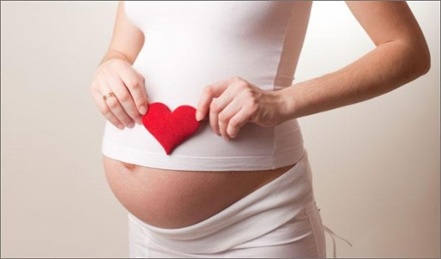
These are 8 nutritional tips that you should give to any pregnant patient or who wants to get pregnant and have a strong and healthy baby.
When a pregnant patient arrives at your office, you can already imagine what happens. Surely this woman will need a special eating plan so that her baby grows healthy and strong without the mother losing her health, that is why today I am going to give you these 8 nutritional tips that you should give to every pregnant woman or woman who wants to get pregnant and have a strong and healthy baby. Surely the future mother will have a lot of questions for you. That is why I recommend that after the consultation, you give them a sheet, brochure or brochure with all the necessary information, so that they do not forget it. What foods and nutrients should you recommend to a future mother? Calcium Many moms believe that calcium is good for bones and strengthening your teeth. However, calcium consumption during pregnancy can also help the correct development of the baby’s skeleton. For pregnant women, 10,000 milligrams of calcium per day is recommended. That is, not only the consumption of milk will do you good, but also other types of foods and products fortified with calcium and vegetables high in this nutrient. It is very important that daily calcium consumption is met to also help the mother maintain healthy and strong bones and muscles. Iron Daily iron consumption is necessary for a pregnant woman, since her consumption needs double. Since iron helps transport oxygen throughout the body correctly, the baby will need to be perfectly oxygenated and healthy to be able to absorb the nutrients provided by the mother as best as possible. It is generally not an easy component to find in foods. However, iron is crucial for the development development and growth of the fetus and to prevent the risk of the baby being premature. The recommended amount is 30 milligrams of iron per day. Multivitamins The first to recommend of course is FOLIC ACID. The recommended amount for a pregnant woman is 400 milligrams a day. Not counting the natural folate in the foods you should consume. Research at the University of Pittsburgh showed that women who consumed a multivitamin supplement of folic acid decreased the risk of Preeclampsia by at least 45%. Be sure to recommend the tablet with the folic acid compound alone. Or if you are going to recommend a multivitamin, don’t forget to adapt it to the patient’s pace of life. Fiber In general, consuming fiber is good for the digestive system, avoiding constipation and other common ailments. However, during pregnancy, it helps future mothers avoid the appearance of hemorrhoids. In addition to maintaining the feeling of satiety. In general, it is vitally important that pregnant women eat all kinds of vegetables. Not only that, high fiber consumption can reduce the risk of a baby being born with spina bifida by up to 70%. It would be advisable to recommend an approximate consumption of 25 to 30 milligrams per day. Recommended Foods This is a list of foods that you can and should recommend to your pregnant patients, as it will keep them healthy and keep them at their ideal weight: Green Leafy Vegetables: Such as spinach, kale and broccoli, are some examples of excellent sources of Fiber, Vitamin A, Vitamin C, Vitamin K, calcium, iron, folate and potassium. It is also a good source of antioxidants and prevents babies from being born underweight. Berries: All types of berries, since they are a good source of water, c good carbohydrates, fiber and Vitamin C. The berry is highly recommended during pregnancy, since having a low index of glycemic values, the patient is not at risk of raising her blood sugar levels and it is a delicious snack. Whole Grains: Just like oats, whole grains are recommended, especially during the second and third trimester of pregnancy. Since the patient will need a generous amount of calories. So it is best to get them from whole grains, since they are also a good source of fiber, several types of B vitamins and protein. Lean Meat: The patient’s dietary plan can be perfectly divided between various red and white meats without any risk. As long as they are lean, since they are a rich source of protein, B complex and iron. Which are essential for your state. Salmon: It is a great source of fatty acids and omega 3, which both the baby and the mother will greatly appreciate. Certain studies have shown that women who include salmon in their diet between 2 and 3 times a week, meet the weekly requirement of fatty acids and omega 3. Legumes: Such as peas, beans, lentils, soy, peanuts and chickpeas. They are an excellent source of fiber, protein, iron, calcium and folate. In fact, one cup of lentils, chickpeas or black beans can provide even more than 90% of the daily requirement of folate. Egg: Contains 77 calories in addition to high-quality protein and fat. It also contains many vitamins and minerals that are necessary for both the baby and the mother. Choline, found in eggs, is essential for brain development and maintaining good health. Just one egg can contain 113 milligrams of choline, 25% of the requirement. daily routine for the mother. Greek Yogurt: It is a good source of protein and extra calcium, with a minimum amount of fat. It is a highly recommended food for pregnant women. Cod liver oil: Rich in omega 3, fatty acids, vitamin A and vitamin D. It is stated that women who have a low intake of vitamin D during pregnancy significantly increase the risk of Preeclampsia. Foods that a future mother should avoid As in most cases, there are always limitations and things that we should avoid in general to improve health. However, a pregnant woman must be aware of taking double care of herself. He literally now takes care of 2 people at the same time. Here is a list of what you should recommend avoiding at all costs: Caffeine: For a long time, it was considered correct to consume 300 milligrams of caffeine, the equivalent of 2 cups a day. However, recent studies found that just 200 milligrams of caffeine a day increased the risk of spontaneous abortion. Raw Egg: Many commercial products that contain raw eggs are safe to consume. However, there is a high risk of diseases such as Salmonella if the egg is not cooked. A pregnant mother suffering from Salmonella can cause spasms and cramps in the uterus. Which can cause the baby to be premature or even miscarry. Raw Meats: Just like raw eggs, the consumption of any type of raw meat increases the risk of contracting any infection from bacteria or parasites. There are certain bacteria that can cause abortion, severe neurological problems, blindness or epilepsy. Junk Food/Processed Food: Processed food is very high in calories, sugar and saturated fat. Without em boat its nutrient content is far below what is required. If a future mother consumes these products, this can cause severe complications such as seasonal diabetes. In addition to increasing the risk of the baby being born overweight. Unpasteurized products: Since they may contain bacteria such as Listeria, Salmonella or E coli. Which can have severe consequences for a developing baby. It is recommended for pregnant patients to only consume pasteurized products. Unwashed foods: It means great risks of contracting Toxoplasmosis, E coli, Salmonella and Listeria. These bacteria can be very problematic for both mother and child. Alcohol: No real benefits have been shown in consuming alcohol. Which means only one thing. Problems for a future mother. Problems translated into a child with behavioral problems, cognitive problems, attention deficit, hyperactivity and even problems of aggression or having a predisposition to generate addiction to the product. Do not allow her to gain too much weight It is a fact that pregnant women must gain weight. However, you should not exceed the weight you gain. This can cause problems for mothers to regain their ideal weight. Generally, in Mexico, women who do not take care of their weight during pregnancy are no longer interested in regaining it. Obesity can become extremely risky for health and often falls into a vicious cycle in which many people only get worse as time goes by. What is recommended is a varied and balanced diet. Whether the patient is at her ideal weight or overweight. If the mother is overweight, she must be convinced to accept a nutritional plan. AND which restricts all the previously mentioned foods. Since she must continue consuming complex calories or good calories, to maintain good development and nutrition for both herself and the baby. A woman should gain around 12-16 kg during pregnancy. Overweight women should only gain 7-9 kg to improve their health and that of the baby. Underweight women must gain an average of 13-18 kg to have a healthy pregnancy. If the case is a twin pregnancy, an average of 16.5-24.5 kg should be gained during pregnancy. The calories needed according to the trimester: 1st Trimester: 1800 calories per day. 2nd Trimester: 2200 calories per day. 3rd Trimester: 2400 calories per day. Continuous hydration In general, people who do not drink enough water may feel sick, weak, and tired. Pregnant women especially need to stay hydrated. It is a good way to maintain good digestion and avoid constipation. * It is important to remind the pregnant woman that she should and can exercise moderately, she can try exercises like Yoga.