
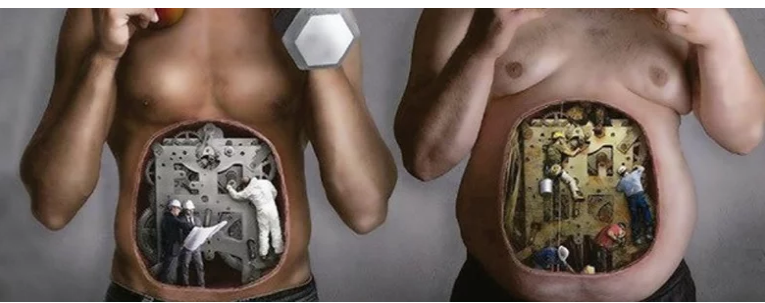
7 metabolism myths that you won't believe
There are many myths about metabolism, especially when what you want to achieve is weight loss. These are some of the most common myths.
There are many myths about metabolism, especially when what you want to achieve is weight loss. These are some of the most common myths, followed by their real explanation
MYTH: If I do weight training I will develop a very muscular body.
FACT: Proper weight training has many benefits, including strengthening muscle mass and increasing bone density. The result is a stronger, more resilient and more toned body. When we train with weights, we develop more muscle, which in turn causes our metabolism to speed up, since the body needs more calories to maintain itself. If your fear is getting too muscular, don’t worry! Developing a super muscular body requires a lot of perseverance and discipline, a special diet and at least 4 hours of exercise a day, as well as a good load of steroids.
MYTH: Eating after 8 or 9 p.m. It will make me gain weight.
REALITY: It’s all a matter of eating the calories necessary to maintain a constant weight. As long as you don’t eat more calories than your body needs in a day, regardless of what time you eat, you will NOT gain weight. It is advisable to include a snack in the afternoon so as not to arrive at dinner too hungry, which can make us lose control over our choices.
MYTH: If I want to lose weight I must exercise in the “fat burning” zone (50-70% of maximum heart rate).
FACT: When you train in the “fat burning” zone, which is between 50 and 70% of your maximum heart rate, your body uses stored fat for energy. If you train at a higher pace, 70 to 85% of your maximum heart rate (“cardio” zone), you will produce more energy from carbohydrates than from stored fat, but the amount of calories used will be much higher. Therefore, you will have burned much more fat, so you can lose weight by working in the “cardio” zone.
MYTH: Exercising early in the morning on an empty stomach will help me burn more fat.
FACT: When we exercise after an overnight fast, our body is forced to use the energy we have stored. Our body and brain need carbohydrates to “start the engine” and stay strong throughout the entire exercise session. This is why it is important to eat at least 100 to 200 calories in the form of carbohydrates 30 minutes before starting exercise to have better performance and burn more calories.
MYTH: You can reduce fat in the area you are working on.
FACT: When we exercise we use energy from our entire body and not just the area we are exercising. Exercising a specific area of the body, for example the abdomen, will develop and strengthen the muscles in that part, but fat will be burned only if there is a caloric deficit. It is advisable then to follow a training program that involves the whole body, combined with an adequate diet to achieve said deficit.
MYTH: If I stop exercising my muscles will turn into fat.
REALITY: This myth has been circulating for a long time. The reality is that muscle and fat are two different types of tissues. Under no circumstances can one become the other. What happens when you stop exercising is that you will lose muscle mass. And if you maintain the same caloric intake as when you exercised, then those extra calories will be stored as body fat.
MYTH: To lose weight I must eliminate fats or carbohydrates from my diet.
REALITY: When you want to lose weight, calorie deficit is the most important factor. This means that we must eat fewer calories than we burn. The healthiest way to lose weight is through a balanced diet, which includes carbohydrates, fats and proteins. That forms a deficit of approximately 500 calories a day. This way you can lose approximately one pound of fat per week. Without affecting your health or your metabolism. This data will help you better understand your metabolism and make a more effective diet and exercise.